



Letting the response to therapy dictate the next steps. we translate real-time learning into better options for you.
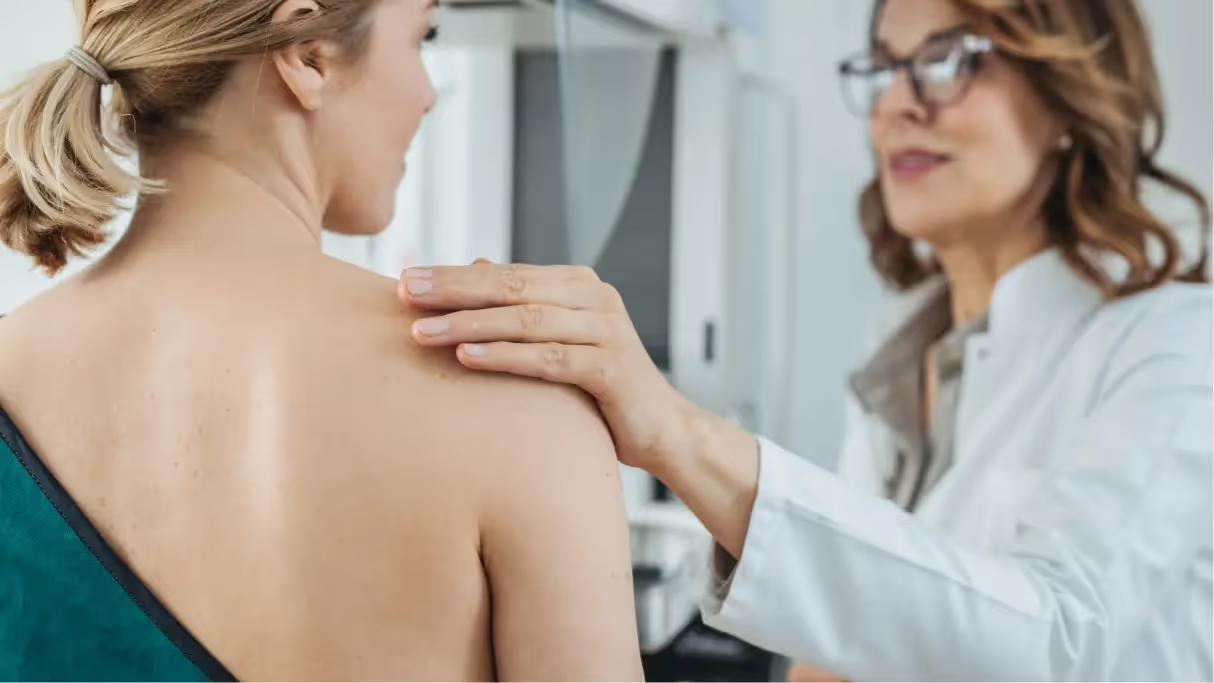

We have the ability to learn in real time, finding better solutions that make a difference for our patients every day. We let science lead — letting each trial teach us, so we can design the best treatments to test next. We don't have patience, because our patients don't have time to wait.


Partner with a research ecosystem built to evaluate therapies, diagnostics, and new care models with speed, rigor, and measurable outcomes—so breakthrough ideas reach patients sooner.
QLHC is transforming how research turns into care. Your support accelerates the trials, collaborations, and patient-first innovations that bring better treatments to more people, faster.

Explore active trials and research sites advancing better care in real time. Use our trial map to discover where innovation is moving patient outcomes forward near you.
Through strategic partnerships across research, pharma, and care delivery, we move promising ideas from validation to real-world patient outcomes—faster.

"I’ve supported many charities, but Humo stands out for its transparency. I could see exactly where my money went, and the updates on impact made me feel truly part of the mission."

Individual Donor
"Partnering with Humo has been one of the most rewarding collaborations we’ve had. Together, we brought education to thousands of children, and we could track every stage of the project."
.webp)
Global Education Alliance
"Because of Humo, we no longer walk for hours to fetch unsafe water. My children are healthier, and I have time to work and support my family."

Community Member in Uganda
"Humo gave me confidence that my monthly donation wasn’t just disappearing into a black hole. Seeing real stories and measurable results keeps me inspired to give."

Monthly Supporter
"I’ve supported many charities, but Humo stands out for its transparency. I could see exactly where my money went, and the updates on impact made me feel truly part of the mission."
Individual Donor
"Partnering with Humo has been one of the most rewarding collaborations we’ve had. Together, we brought education to thousands of children, and we could track every stage of the project."
Global Education Alliance
"Because of Humo, we no longer walk for hours to fetch unsafe water. My children are healthier, and I have time to work and support my family."
Community Member in Uganda
"Humo gave me confidence that my monthly donation wasn’t just disappearing into a black hole. Seeing real stories and measurable results keeps me inspired to give."
Monthly Supporter
"I’ve supported Humo for three years now, and I’m always impressed by their accountability. The regular reports and updates prove that every contribution counts."

Long-term Donor
"Working with Humo allowed our foundation to reach communities we couldn’t access alone. Their local partnerships ensured that our resources made maximum impact."

Bright Future Foundation
"My children no longer go to bed hungry thanks to Humo’s food program. It gave us hope and the strength to build a better tomorrow."

Mother of Three
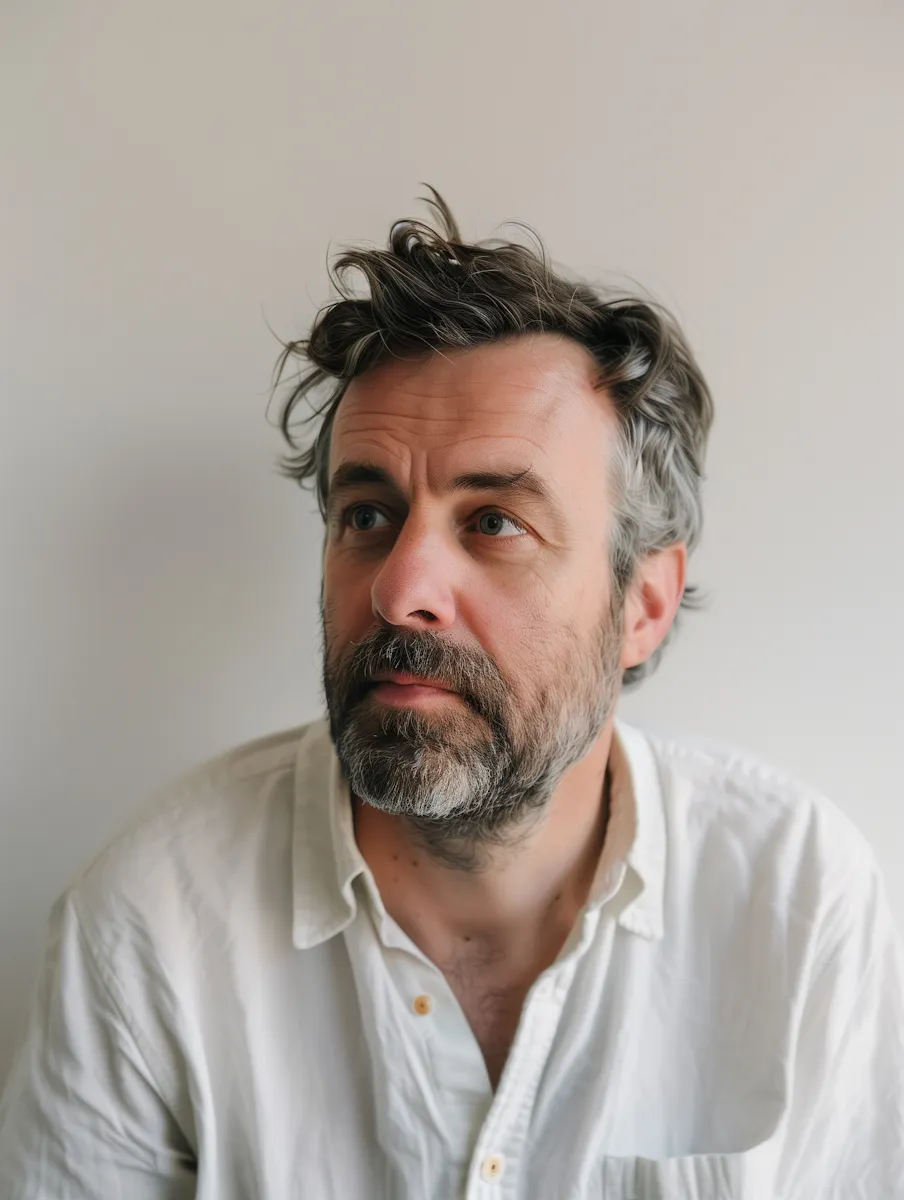
"Humo gave me my first opportunity to volunteer abroad. I learned how small acts of kindness can create big change — it shaped my career path in social work."
Volunteer
"I’ve supported Humo for three years now, and I’m always impressed by their accountability. The regular reports and updates prove that every contribution counts."
Long-term Donor
"Working with Humo allowed our foundation to reach communities we couldn’t access alone. Their local partnerships ensured that our resources made maximum impact."
Bright Future Foundation
"My children no longer go to bed hungry thanks to Humo’s food program. It gave us hope and the strength to build a better tomorrow."
Mother of Three
"Humo gave me my first opportunity to volunteer abroad. I learned how small acts of kindness can create big change — it shaped my career path in social work."
Volunteer
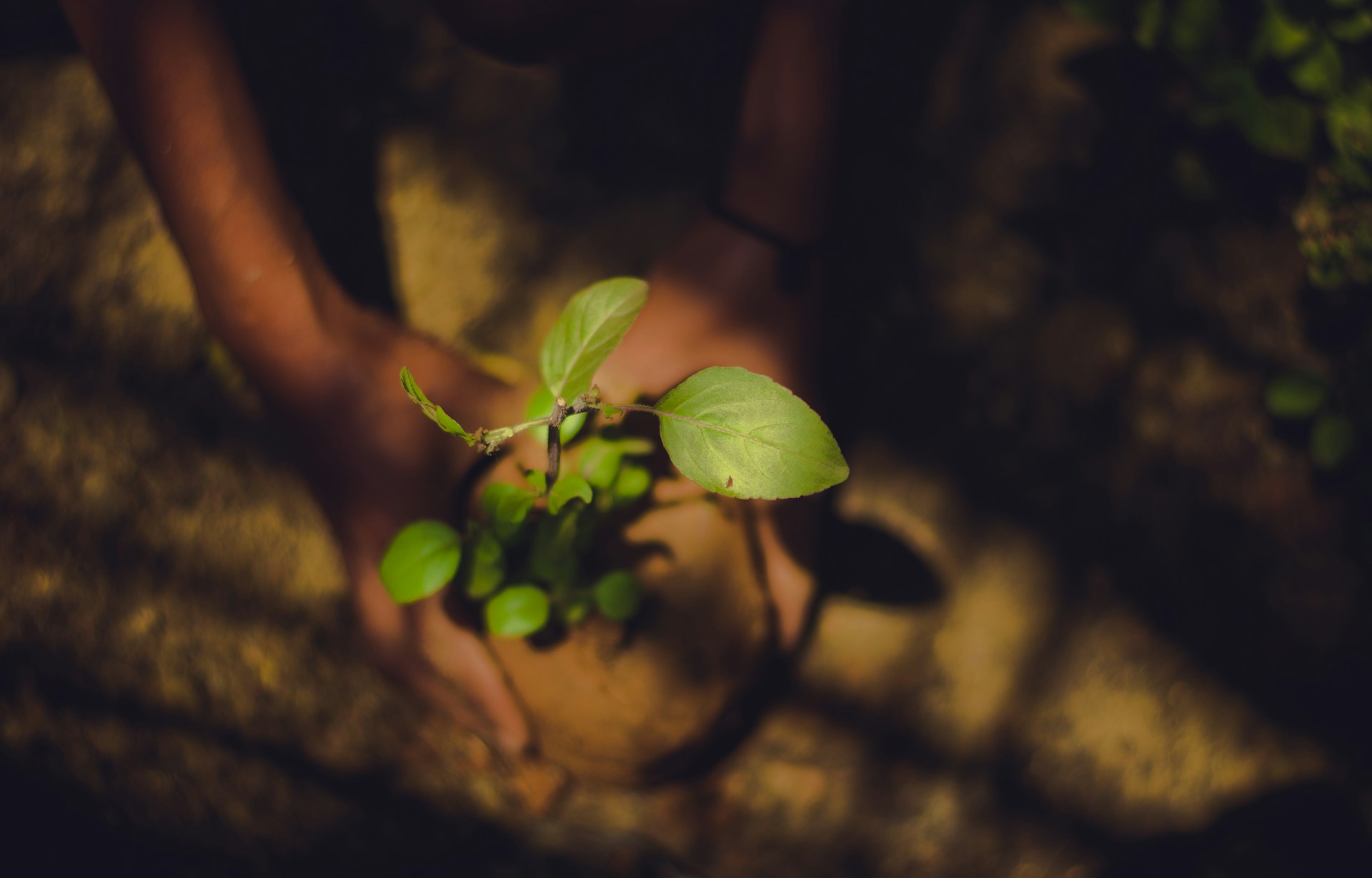
Every dollar you give transforms lives — from learning classrooms to families with clean water and thriving forests.



.jpg)